
AlistoIRAlistoIR
Wazuh SOAR Platform

Extend Wazuh with a practical SOAR and incident response layer.

AlistoIR helps teams keep Wazuh as the detection engine while adding analyst workflow, alert enrichment, case handling, and response orchestration on top.

  • Preserve your Wazuh deployment instead of replacing it.
  • Turn incoming alerts into structured investigations and documented cases.
  • Give analysts a repeatable path from triage to action.
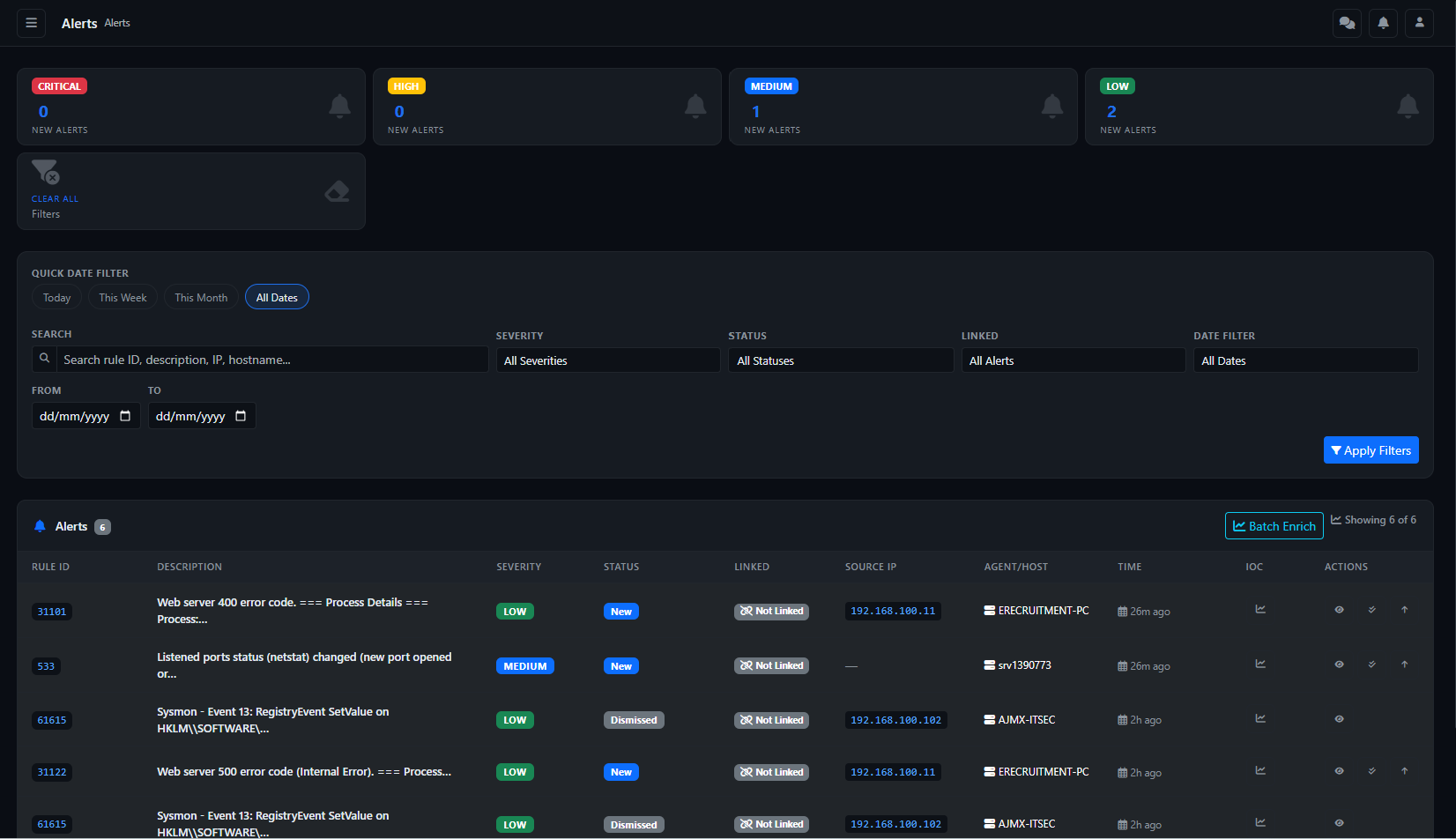
Wazuh alert ingestion and response workflow illustration
Using Wazuh today but still managing incidents manually
Need better analyst workflow without replacing the SIEM layer
Want a platform that supports both triage speed and documentation

Built for teams that already trust Wazuh

This page is for SOC teams, internal security operations groups, and managed security providers that already use Wazuh but need more operational response discipline after the alert fires.

  • Wazuh alerts arrive, but analysts still switch between spreadsheets, chat, and ad hoc notes.
  • Case ownership, enrichment, and escalation are inconsistent across shifts or team members.
  • Important response context is scattered across logs, alerts, and manual analyst memory.

How AlistoIR complements Wazuh

Instead of trying to make Wazuh do everything, AlistoIR takes the alerts Wazuh already generates and moves them into a response-oriented operating layer.

  • Normalize Wazuh alert data into analyst-friendly records with extracted fields and context.
  • Create cases, notes, assignments, and evidence trails without leaving the response workflow.
  • Use AI-assisted triage to speed up analyst understanding while keeping humans in control.

What this workflow looks like in AlistoIR

Each capability below exists to help security teams move from alert context to accountable response without stitching together disconnected tools.

Alert-to-case routing

Promote important Wazuh findings into tracked incidents with ownership, status, and investigation notes.

Analyst enrichment workflow

Add IOC context, related artifacts, and investigation details in a place built for response rather than raw event review.

Governed response actions

Support playbooks and action workflows so teams can move from alert review to actual response with more consistency.

AlistoIR is a strong fit when

Teams usually get the most value when the workflow and operating model below already match how they handle incidents today.

  • Using Wazuh today but still managing incidents manually
  • Need better analyst workflow without replacing the SIEM layer
  • Want a platform that supports both triage speed and documentation

Frequently asked questions

Common questions about how AlistoIR supports this workflow.

Does AlistoIR replace Wazuh?

No. The goal is to preserve Wazuh as the detection and telemetry source while giving your team a stronger response and case-management layer.

Who is this best for?

Teams that already have detections but need a better way to investigate, assign, document, and respond after the alert is triggered.

Is this useful for MSSPs too?

Yes. MSSPs that support Wazuh environments can use AlistoIR to add a more structured operating layer for analysts and client-facing workflows.

Can this help reduce alert fatigue?

It can help reduce wasted analyst effort by organizing triage, enrichment, and escalation into a more repeatable workflow.

Want to see how this fits your security workflow?

Tell us about your Wazuh deployment, response process, or client operations model and we can show you where AlistoIR fits without requiring a full rip-and-replace of your existing stack.